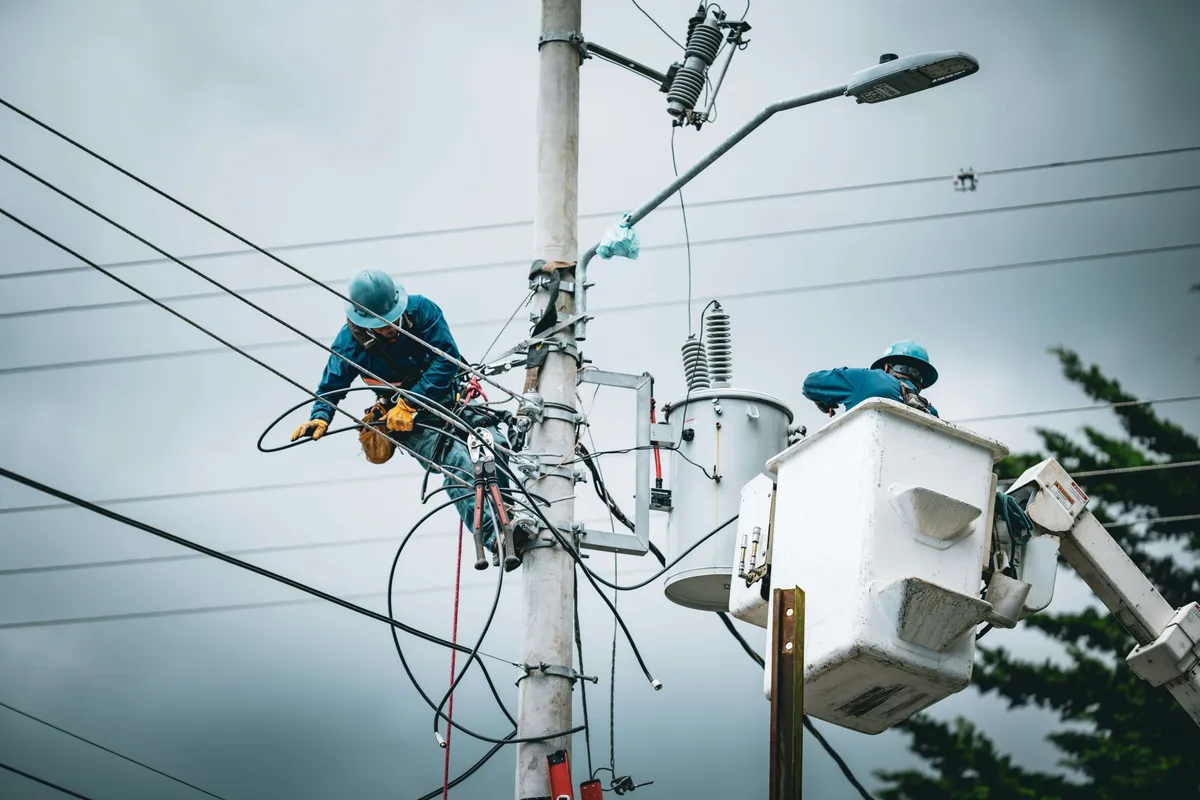
The electrical industry is constantly evolving, with new technologies, regulations, and safety standards emerging regularly. Staying current is not just about knowing the latest tools—it’s about ensuring the safety of yourself, your team, and your clients.
As we look ahead to 2026, the focus on safety is sharper than ever. While a journeyman or master electrician license is the foundation of your career, specialized safety certifications demonstrate your commitment to excellence and make you a more valuable asset in a competitive market.
Here are the five critical safety certifications every electrician should have on their radar for 2026.
1. NFPA 70E: Standard for Electrical Safety in the Workplace
Consider this the gold standard. The National Fire Protection Association’s NFPA 70E is the definitive guide for protecting workers from electrical hazards like arc flash and shock.
- Why it’s essential for 2026: It’s no longer enough to just follow the NEC (National Electrical Code) for installation. NFPA 70E focuses on how to work safely around energized equipment. Employers and insurance companies are increasingly requiring this certification to demonstrate compliance with OSHA mandates.
- What it covers: Risk assessment procedures, selecting appropriate Personal Protective Equipment (PPE), establishing electrically safe work conditions, and emergency response.
- The Bottom Line: If you work on or near live circuits, this certification isn’t optional—it’s a lifesaver.
2. OSHA 30-Hour Construction Training
While the OSHA 10-Hour card is a common entry-level requirement, the 30-Hour course is becoming the standard for foremen, supervisors, and safety-conscious journeymen.
- Why it’s essential for 2026: As projects get more complex, there’s a greater need for leaders who understand the broader scope of construction site hazards, not just electrical ones. Having an OSHA 30 card sets you apart as a leader who can identify and mitigate risks across an entire job site.
- What it covers: A deep dive into job site hazards beyond the electrical scope, including fall protection, confined spaces, material handling, and creating a safety culture.
- The Bottom Line: This certification proves you have the knowledge to manage job site safety at a supervisory level.
3. First Aid, CPR, and AED Certification
Electrical shocks can lead to cardiac arrest. When seconds count, having the training to respond immediately can mean the difference between life and death.
- Why it’s essential for 2026: It’s a fundamental requirement on almost every major job site. More importantly, it’s a moral obligation to your fellow workers. The ability to confidently perform CPR and use an Automated External Defibrillator (AED) is a skill every electrician must have in their toolbox.
- What it covers: Recognizing medical emergencies, performing high-quality CPR, using an AED, and treating basic wounds and burns.
- The Bottom Line: You hope you never have to use it, but you can’t afford to be without it. Keep this one current—it typically requires renewal every two years.
4. Arc Flash Risk Assessment & Safety Training
While NFPA 70E covers the broad standards, specialized Arc Flash training takes it a step further with practical, hands-on application.
- Why it’s essential for 2026: Arc flash incidents are among the most devastating electrical accidents. As electrical systems handle higher voltages and currents, the risk increases. This specialized training goes beyond the theory to teach the practical skills of reading arc flash labels, interpreting analysis reports, and properly donning and doffing arc-rated PPE.
- What it covers: In-depth understanding of arc flash boundaries, incident energy calculations, practical PPE selection based on specific labels, and safe switching procedures.
- The Bottom Line: This is practical, life-saving knowledge for anyone working in industrial or commercial settings with high-energy distribution systems.
5. Confined Space Entry Training
Electricians frequently find themselves working in crawl spaces, manholes, utility tunnels, and other tight spots that meet OSHA’s definition of a confined space.
- Why it’s essential for 2026: Many fatalities in confined spaces arise from atmospheric hazards (low oxygen, toxic gases) that you can’t see or smell. Assuming a space is safe is a deadly mistake. Proper training ensures you know how to test the air, set up ventilation, and use retrieval systems before you enter.
- What it covers: Identifying permit-required confined spaces, atmospheric hazard monitoring, ventilation techniques, duties of attendants and entrants, and rescue procedures.
- The Bottom Line: Never enter a confined space without proper training and equipment. This certification gives you the knowledge to recognize when a “quick job” could become a fatal trap.
Conclusion: Invest in Your Safety Career
Your career is built on your skills, but it depends on your safety. By earning these certifications, you aren’t just ticking boxes; you’re building a knowledge base that protects you, your crew, and your longevity in the trade.
As we approach 2026, make safety your personal brand. It’s the smartest investment you can make.